Introduction
Expanding your digital presence into international markets requires more than just translating your website’s content. It demands a strategic approach to SEO translation, ensuring that your content is not only linguistically accurate but also optimized for search engines in each target language. This comprehensive guide delves into the intricacies of SEO translation, providing real-life examples, statistical insights, and actionable advice to help you navigate this complex process effectively.
In this article, we will discuss:
- What is SEO translation and how it differ from traditional translation
- Mistakes that even experienced companies make
- Real-life examples from global brands
- Specific recommendations for effective content localization
What is SEO translation and why is it important?
If you need professional SEO translation, you can contact the experts at Littera24 — a leading platform for high-quality content localization.
SEO translation (Search Engine Optimization Translation) is the process of translating web content taking into account search engine optimization for the target market. It includes not only text translation, but also:
- Adaptation of keywords to user search queries in different countries.
- Optimization of meta tags (title, description).
- Localization of URL structure.
- Configuring internal linking and multilingual attributes (hreflang).

How It Differs from Traditional Translation
SEO translation involves adapting your website content to align with your target audiences’ search behaviors and cultural nuances. This process encompasses keyword research in the target language, localization of content, and technical SEO adjustments to ensure optimal visibility in local search results. Unlike traditional translation, which focuses solely on linguistic accuracy, SEO translation integrates search engine optimization techniques to enhance content discoverability and relevance in specific markets.
Mistakes That Even Experienced Companies Make
- Translating Keywords Without Considering Local Search Behavior. Directly translating keywords without understanding local search habits can lead to using terms that are uncommon or irrelevant in the target market. For example, a search term popular in the U.S. may not have the same search volume or relevance in the UK.
- Neglecting Cultural Nuances. Failing to adapt content to local customs and preferences can alienate the audience. Localizing your content to reflect cultural nuances and preferences makes your website more relatable and engaging to the target audience.
- Overlooking Technical SEO Elements. Neglecting technical SEO elements like hreflang tags or appropriate URL structures can confuse search engines and hinder indexing. Implementing technical SEO best practices, such as using hreflang tags and translating URL slugs, ensures search engines serve the correct version of your site to users.
Real Examples from the Practice of Global Brands
Amazon’s Multilingual SEO Success
Amazon’s commitment to SEO translation is evident in its region-specific websites, such as Amazon.de for Germany and Amazon.fr for France. By tailoring content to local languages and preferences, Amazon ensures a user-friendly experience that resonates with local customers. This localized approach has been instrumental in capturing significant market shares in various countries.
IKEA’s Global Reach Through SEO Translation
IKEA, a global furniture leader, recognized that engaging consumers in their local languages was key to improving its online presence. The company translated its product descriptions, catalogs, and metadata into multiple languages, localizing them for particular regions. By integrating localized keywords and culturally relevant phrasing, IKEA enhanced its visibility in localized search results, leading to increased website traffic and better conversions.
The Impact of Multilingual SEO on Organic Traffic
A study by Ahrefs highlighted that for companies like Amazon, Wise, and Canva, multilingual SEO strategies deliver over 50% of their total organic traffic, contributing billions in top-line revenue.
Case Study: E-Commerce Giant Mistake
A major European clothing company translated their website into Spanish using literal keyword translations. As a result, the site did not rank for popular search queries in Spain.
Mistake: They used the term “chaqueta de lluvia” (literally “raincoat”), although local users were searching for “impermeable” (waterproof jacket).
Result: After adjusting the keywords, organic traffic from Spain increased by 35% in 3 months.
If you want to avoid similar mistakes, check out our SEO translation services at Littera24.
SaaS company and 200% traffic growth
An American SaaS company translated its blog into French but initially used automatic translation. Traffic was low.
What was changed:
- Conducted local keyword research.
- Rewrote articles taking into account SEO factors.
- Optimized internal linking.
Result:
- +200% organic traffic in 6 months.
- Improved positions for competitive queries from 8-10 positions to top 3.
If you need similar results, contact Littera24 for a consultation.
Statistics: Why is it important to invest in SEO translation?
- According to CSA Research, 72% of users prefer to buy products on a site available in their native language.
- 46% of users do not make purchases on sites that are poorly localized.
- Companies that invest in quality localization increase conversion by 20-50% depending on the niche.
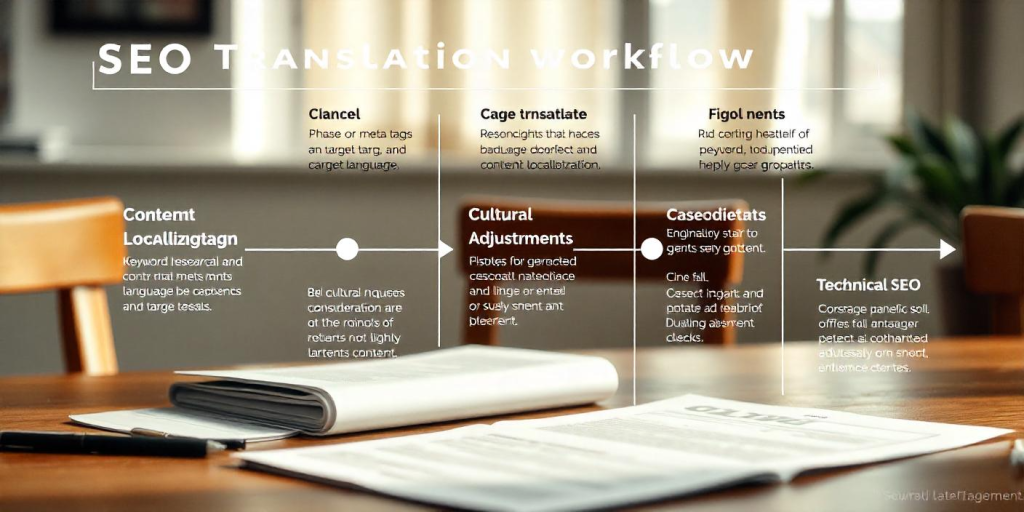
Specific Recommendations for Effective Content Localization
Conduct Comprehensive Keyword Research
Perform keyword research in your target language to identify the terms and phrases your audience uses. This ensures that your content aligns with local search behaviors, enhancing its relevance and visibility. Tools like Google Keyword Planner and SEMrush can assist in this process.
Localize Content Beyond Translation
Adapt your content to reflect local cultural nuances, preferences, and idioms. This involves more than direct translation; it requires a deep understanding of the target culture to ensure the content resonates with the audience. For example, consider how McDonald’s adjusts its menu items to cater to local tastes in different countries.
Optimize Technical SEO Elements
Implement hreflang tags to indicate the language and regional targeting of your pages, ensuring that search engines serve the correct version to users. Additionally, translate your URL slugs, meta titles, and descriptions to include localized keywords, enhancing their relevance in local search results. This practice helps prevent issues with duplicate content and ensures that users are directed to the appropriate language version of your site.
Regularly Monitor and Update Your Strategy
SEO is an ongoing process. Regularly analyze your website’s performance in different regions using tools like Google Analytics. Monitor metrics such as organic traffic, bounce rates, and conversion rates to identify areas for improvement and adjust your strategy accordingly. This continuous optimization ensures that your content remains relevant and effective in reaching your target audience.
Conclusion
Investing in SEO translation is crucial for businesses aiming to succeed in international markets. By understanding and implementing effective SEO translation strategies, you can improve your website’s visibility, attract a broader audience, and drive global growth. For professional assistance with SEO translation, consider partnering with experts who specialize in multilingual SEO to ensure your content resonates with audiences worldwide. Visit Littera24 for expert SEO translation services tailored to your business needs.