Celebrating Life, Death, and Language Through Culture
When it comes to vibrant cultural celebrations, few are as visually stunning and spiritually rich as Día de los Muertos—the Day of the Dead. Originating in Mexico and now observed across Latin America and beyond, this holiday is far more than painted skulls and marigolds. It is a deep, spiritual tradition that unites families, honors ancestors, and blends ancient beliefs with modern meaning.
But did you know that language and translation also play an important role in preserving this cultural treasure?
A Journey Through Time: The Origins of Día de los Muertos
Día de los Muertos traces its roots back thousands of years to Aztec and other pre-Columbian civilizations. These cultures believed that death was not the end but part of a sacred life cycle. Every year, they held ceremonies to honor the deceased and invite their spirits back to the world of the living.
With the arrival of the Spanish and Catholic influences, these rituals merged with All Saints’ Day and All Souls’ Day (November 1 and 2), resulting in the beautifully syncretic tradition we celebrate today.
Rather than mourning, families take this time to joyfully remember loved ones with music, food, flowers, and storytelling.
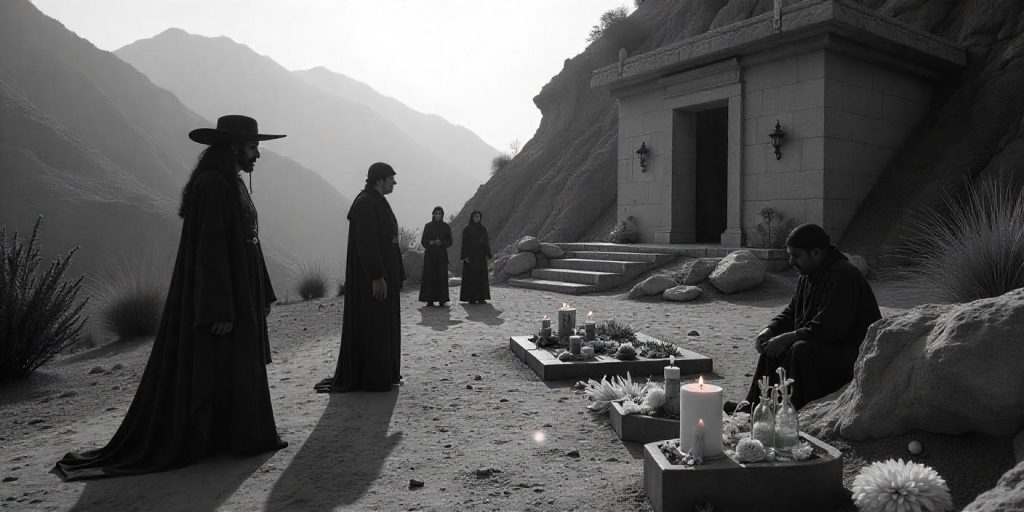
💀 Symbols, Rituals, and Meaning
Every element of Día de los Muertos carries deep symbolic meaning:
- Calaveras (Skulls): Colorfully decorated sugar skulls symbolize the sweetness and transience of life.
- Ofrendas (Altars): Altars are adorned with candles, photos, food, drinks, and personal items to welcome the spirits.
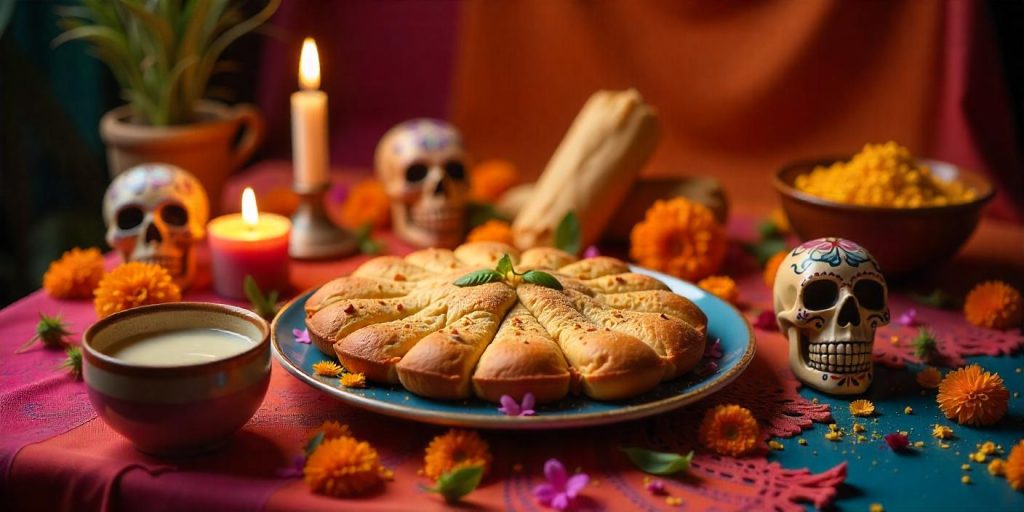
- Pan de Muerto: A soft, sweet bread often decorated with bone-like shapes, symbolizing the cycle of life and death.
- Marigolds (Cempasúchil): Bright orange flowers whose scent is believed to guide spirits home.
- Papel Picado: Intricately cut paper banners representing the fragility of life.
These items, deeply rooted in language and tradition, carry powerful messages of love and remembrance.
🍽️ Traditional Foods: Offering to the Spirits
Food plays a crucial role in Día de los Muertos celebrations, offering sustenance to the spirits of the departed. Pan de muerto (bread of the dead) is the most iconic food associated with the holiday, often baked in the shape of bones and decorated with sugar. This sweet, soft bread symbolizes the cycle of life and death.
Additionally, families prepare tamales, mole, and atole—comfort foods enjoyed by the living and placed on ofrendas to honor the dead. Sugar skulls and chocolate, decorated in vibrant colors, are also popular treats, often crafted and placed on altars as a way to offer sweetness to the spirits.
These foods help keep the connection between the living and the dead alive, symbolizing the cycle of life, death, and rebirth.
🌍 Regional Variations Across Mexico
Día de los Muertos is not a one-size-fits-all celebration. Each region of Mexico has its own unique customs:
- In Oaxaca, intricate sand tapestries (tapetes de arena) line the streets.
- In Michoacán, the Purépecha people hold candlelit vigils by Lake Pátzcuaro.
- In Mexico City, giant public ofrendas and parades transform urban streets into places of cultural expression.
These variations often include different dialects, indigenous languages, and local folklore, making accurate translation and cultural context essential.
🎎 Celebrations Beyond Borders
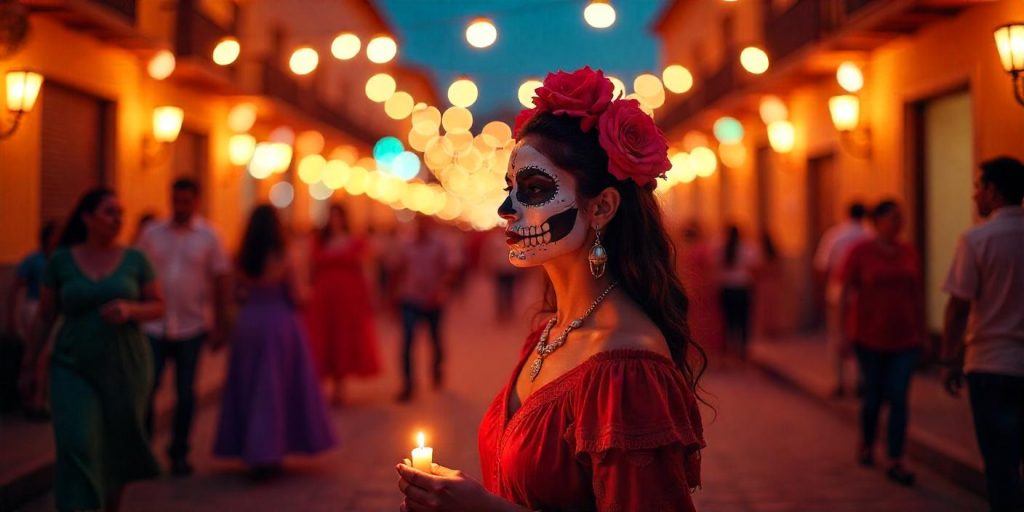
Día de los Muertos has gained global recognition, especially in places with large Mexican communities like the United States, Canada, and Spain. Cities like Los Angeles, Austin, and Chicago host parades and festivals with traditional foods, dances, and altar displays.
Films like Disney’s Coco have helped introduce the tradition to a global audience, but they also highlight the need for cultural accuracy and language sensitivity in international storytelling.
Common Misconceptions
One major misunderstanding is the belief that Día de los Muertos is simply “Mexican Halloween.” While both occur around the same time of year, they differ entirely in purpose and tone.
- Halloween focuses on fear, costumes, and trick-or-treating.
- Día de los Muertos is a sacred, spiritual time to honor loved ones and celebrate the continuity of life.
Another myth is that it’s a purely Catholic celebration. In truth, it is a blend of indigenous and Catholic practices—a result of centuries of cultural adaptation.
How to Participate Respectfully
If you’re interested in taking part in Día de los Muertos, keep these tips in mind:
- Learn about the history and meaning behind the symbols.
- If you build an ofrenda, include real memories and stories.
- Avoid using the imagery (like calavera makeup) as a costume without understanding its significance.
Respect begins with curiosity and a willingness to learn—and that’s where language plays a critical role.
Día de los Muertos Vocabulary to Know (and Translate)
| Spanish Term | English Translation |
|---|---|
| Ofrenda | Altar/Offering |
| Pan de muerto | Bread of the dead |
| Calaveras | Skulls |
| Cempasúchil | Marigolds |
| Papel picado | Perforated paper banners |
Littera24 translation agency helps preserve the soul of these traditions by offering accurate, culturally aware translations for educational content, museums, schools, event organizers, and more.
Why Translation Matters
As interest in Día de los Muertos spreads globally, the need for clear, respectful, and emotionally resonant translation grows. Whether you’re creating:
- Bilingual educational materials
- Multilingual museum exhibits
- Event signage or social media posts
…you need translators who understand not just the language but the heart of the culture.
Our Spanish translation services ensure that the beauty and meaning of Día de los Muertos are conveyed with authenticity, while our English translation services help bridge the gap for wider audiences. Accurate translations allow this profound celebration to be shared in a respectful and meaningful way, regardless of the language spoken.
Keep Exploring Culture Through Language
If you’re fascinated by Día de los Muertos, don’t miss our other cultural content:
Because behind every celebration, there’s a story waiting to be translated.
Ready to bring cultural content to life in every language?
Contact us today for expert translation services that honor tradition.