Weddings are among the most culturally significant traditions worldwide, reflecting deep-rooted customs, values, and, most importantly, language. Every wedding ritual is infused with meaning, from vows to blessings, often requiring expert translation to bridge cultural and linguistic gaps. In this blog, we’ll explore fascinating wedding traditions from different cultures, how language plays a vital role in keeping these customs alive, and how wedding attire and other unique customs add charm to these celebrations.
1. Japan: The Sacred San-san-kudo Ceremony
In traditional Shinto weddings, the bride and groom partake in the San-san-kudo ritual, where they take three sips from three different sake cups, symbolizing their bond and the union of their families.
Language and Translation Insight
- The phrase “San-san-kudo” (三々九度) means “three-three-nine times,” highlighting the spiritual significance of numbers in Japanese culture.
- Foreign guests at Japanese weddings often require interpreters or translated wedding programs to fully grasp the meaning behind the rituals.
Wedding Attire
- The bride typically wears a Shiromuku, a pure white kimono, symbolizing purity and new beginnings. This attire is completed with a tsuno-kakushi (a white headpiece) to hide the bride’s horns of jealousy, symbolizing her transition from a daughter to a wife.
- The groom traditionally wears a montsuki hakama, a formal black kimono with family crests.

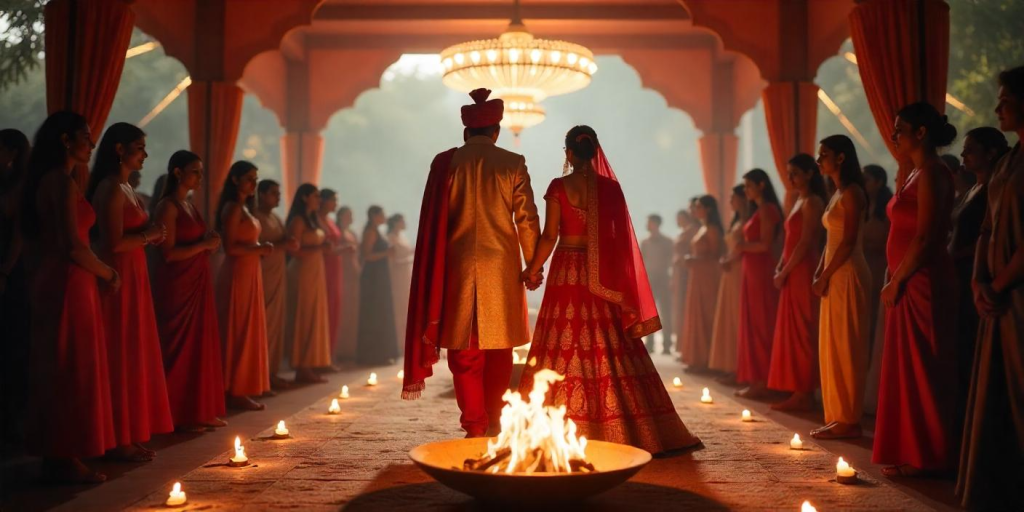
2. India: The Seven Sacred Steps (Saptapadi)
Indian weddings, especially in Hindu traditions, feature the Saptapadi, or “Seven Sacred Steps,” where the couple walks around a sacred fire, making vows for a harmonious life together.
Language and Translation Insight
- The vows are originally in Sanskrit, an ancient language that many modern Indians may not understand without translation.
- Many couples choose professional translation services to translate their vows into multiple languages, ensuring all guests understand their significance.
Wedding Attire
- The bride typically wears a red or gold sari (depending on the region), symbolizing prosperity, fertility, and marital bliss.
- The groom often dons a sherwani (a long coat-like garment), along with a turban or pagri, signifying dignity and respect.
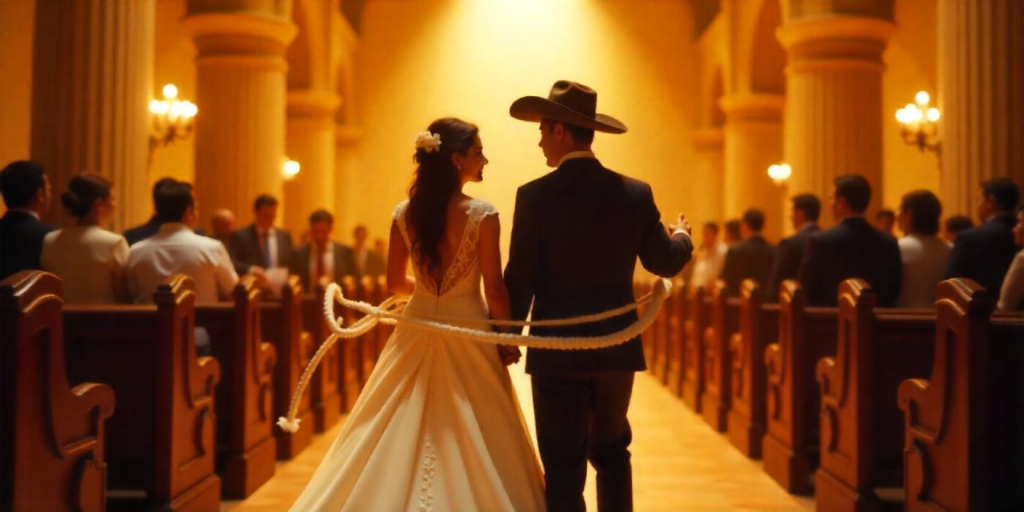
3. Mexico: The Lazo Ceremony
In Mexican Catholic weddings, the “lazo” (a decorative rope or rosary) is placed around the couple’s shoulders in a figure-eight shape, symbolizing their eternal unity.
Language and Translation Insight
- Wedding invitations, vows, and speeches are often in Spanish, requiring Spanish translation services for international guests.
- Destination weddings in Mexico often involve multilingual services, including bilingual officiants and translated wedding programs.
Wedding Attire
- The bride often wears a traditional white wedding dress, but in some regions, a red dress is chosen, symbolizing passion and good fortune.
- The groom typically wears a charro suit, a traditional Mexican ensemble complete with a wide-brimmed hat, often worn during the lazo ceremony.
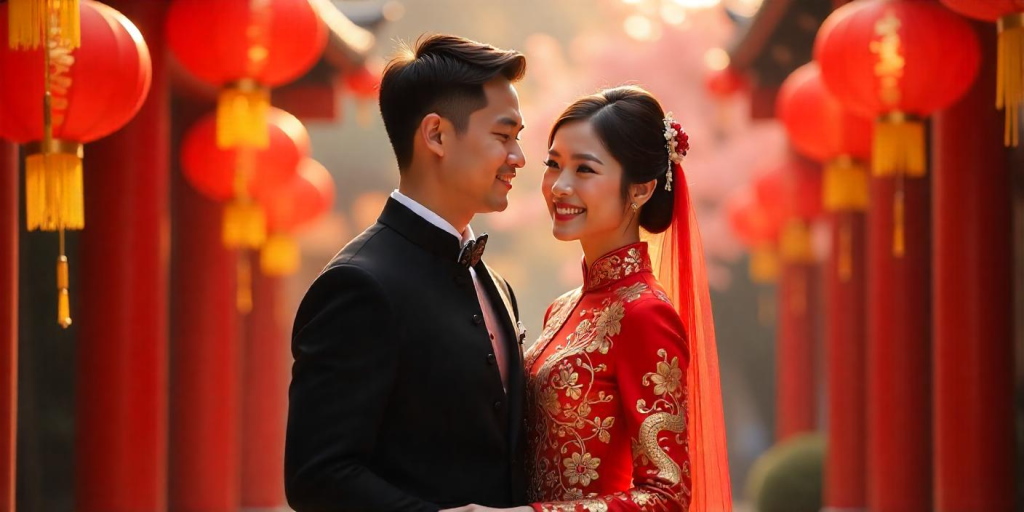
4. China: The Betrothal Gifts (Guo Da Li)
In traditional Chinese weddings, the groom presents betrothal gifts (Guo Da Li) to the bride’s family as a sign of respect and commitment. These gifts often include tea, jewelry, and symbolic foods.
Language and Translation Insight
- Many Chinese families still use Classical Chinese characters for wedding documents and invitations, requiring expert Chinese translation for modern or foreign audiences.
- Wedding businesses, such as planners and invitation designers, benefit from Littera24 professional translation to cater to international clients.
Wedding Attire
- The bride traditionally wears a red qipao or cheongsam, symbolizing prosperity, good fortune, and happiness. Red is considered a color of luck in Chinese culture.
- The groom typically wears a black or dark blue suit with a red tie or a traditional Chinese mandarin collar outfit.
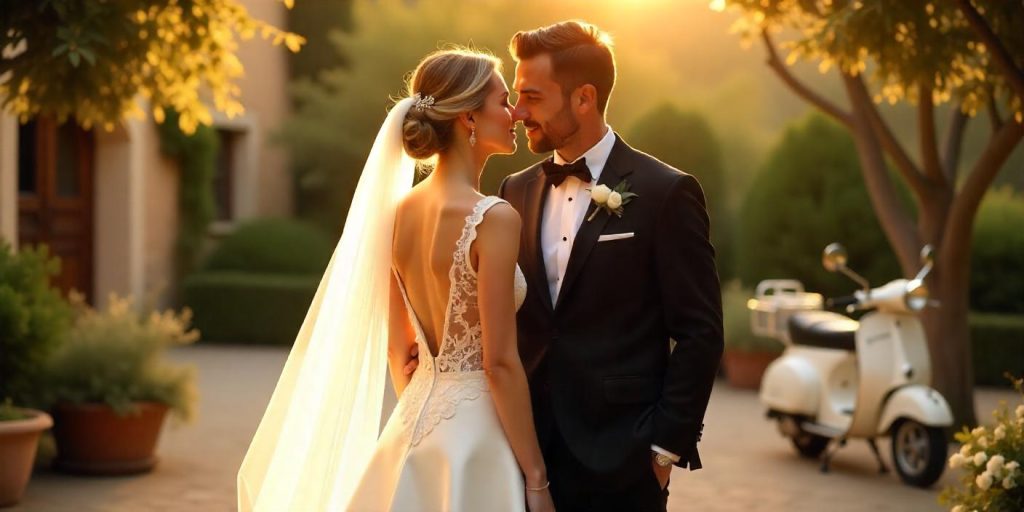
5. Italy: The Wedding Serenade
In some Italian regions, grooms surprise their brides with a serenata (serenade) the night before the wedding, accompanied by musicians and friends.
Language and Translation Insight
- The lyrics of traditional Italian love songs often hold deep poetic meaning, making accurate Italian translation important for non-Italian guests.
- For destination weddings in Italy, translation services help with legal documents, ceremony scripts, and local vendor coordination.
Wedding Attire
- In Italy, the bride often wears a classic white gown with an emphasis on elegance and simplicity.
- The groom typically wears a tuxedo or dark suit with a bow tie or a tie, complementing the formal atmosphere of Italian weddings.
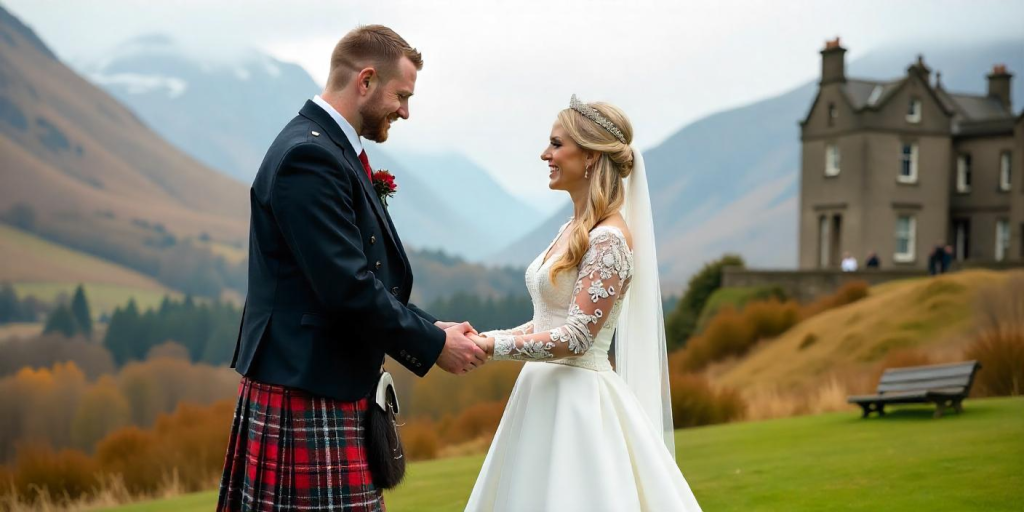
6. Scotland: The Tartan Wedding
A wedding tradition unique to Scotland is the use of tartan (a patterned fabric, usually plaid) in wedding attire. Couples often choose a specific family tartan to honor their heritage and display unity.
Language and Translation Insight
- Scottish Gaelic or English is spoken at Scottish weddings, and depending on the location, Gaelic translations may be needed for ceremonial parts.
- Celtic wedding vows can often include phrases in Gaelic, requiring translators to ensure guests understand the heartfelt promises made during the ceremony.
Wedding Attire
- The bride may wear a white dress but with tartan accents—such as a tartan sash or shawl—as a nod to Scottish heritage.
- The groom usually wears a kilt made from the family’s tartan, a tradition that dates back centuries, and includes accessories like a sporran (a small pouch) and kilt hose (knee-high socks).
7. Ghana: The Kente Cloth Ceremony
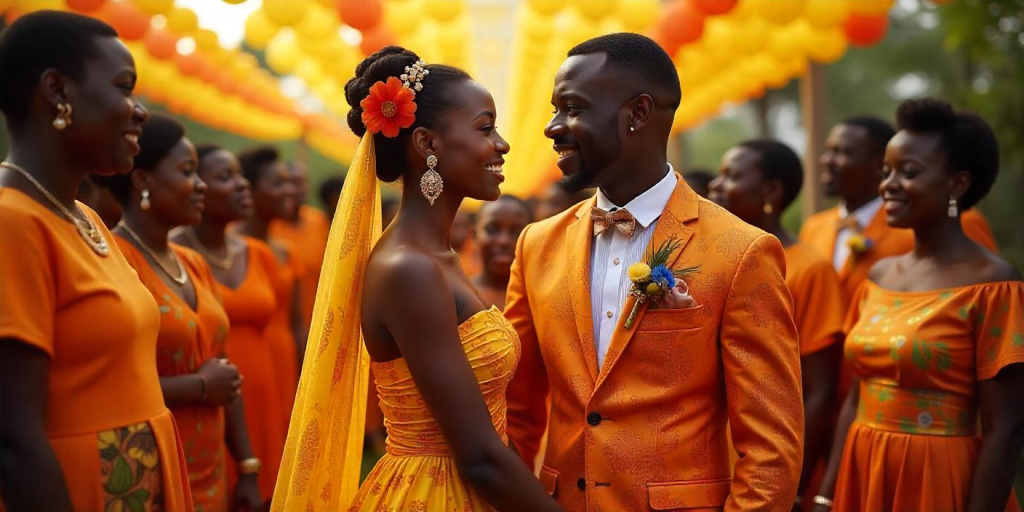
In Ghanaian weddings, the couple is draped in Kente cloth, a colorful, handwoven fabric representing cultural heritage and prosperity.
Language and Translation Insight
- Traditional Ghanaian weddings are often conducted in local languages like Twi or Ga, which may require translation for international guests.
- The bride and groom’s vows may be spoken in English or Twi, depending on the region, making professional translation services invaluable for multilingual guests.
Wedding Attire
- The bride wears a Kente cloth dress, often in vibrant colors like gold, green, and red, which symbolize wealth, growth, and vitality.
- The groom also wears a Kente cloth ensemble, which may include a cape or shawl as a sign of respect and honor.
8. Russia: The Traditional Russian Wedding
Russian weddings have many interesting customs, including an early betrothal and a traditional wedding ransom where the groom must “pay” to get his bride back from her family.
Language and Translation Insight
- Russian wedding ceremonies are usually in Russian, so Russian translation services are essential for non-Russian-speaking guests.
- Common wedding phrases such as “I do” or “Will you marry me?” in Russian (“Я согласен” or “Ты выйдешь за меня?“) may need to be included in bilingual wedding materials.
Wedding Attire
- The bride often wears a white dress, but Russian brides may also incorporate red, the color of love and fertility.
- The groom traditionally wears a classic black suit, often with a cummerbund or a waistcoat.
9. Norway: The Bridal Crown and Wedding Dance
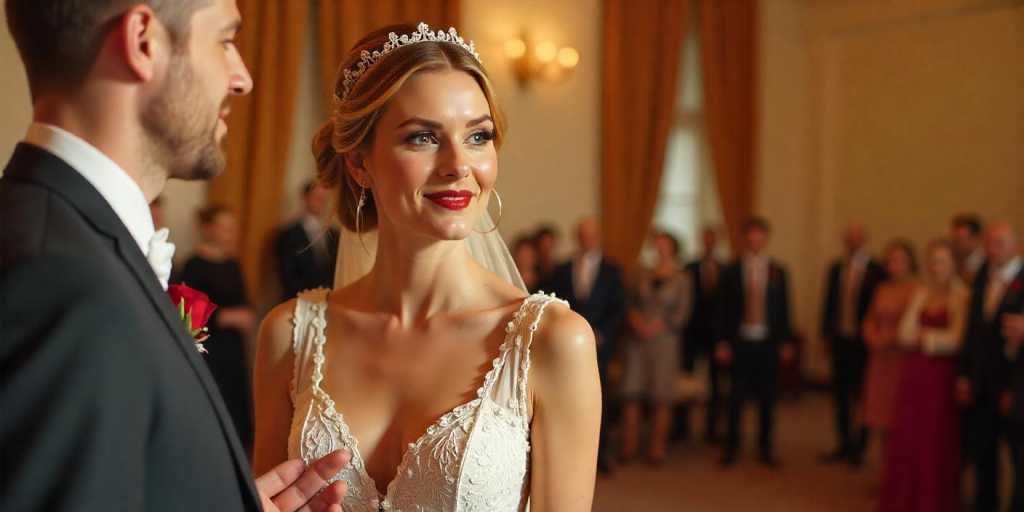
In Norwegian weddings, one of the most symbolic and beautiful customs is the bridal crown (a headdress worn by the bride) and the traditional wedding dance, often accompanied by a “Halling” (a traditional Norwegian dance where the groom has to kick a hat off a stick as a display of strength).
Language and Translation Insight
- Norwegian weddings are usually in Norwegian, so if the couple has international guests, Norwegian translations might be needed, especially for traditional wedding songs sung in Norwegian folk styles.
Wedding Attire
- The bride wears a national costume, called bunad, which is specific to her region, or a classic white gown.
- The groom traditionally wears a black suit with a sash or vest and sometimes incorporates elements of traditional Norwegian attire like the bunad.

10. Latin American Weddings: The Catholic Influence
Latin American weddings, especially in countries like Brazil, Argentina, and Colombia, are deeply influenced by Catholic traditions, often incorporating vibrant music, family celebrations, and colorful attire.
Language and Translation Insight
- Latin American weddings are typically in Spanish or Portuguese, but depending on the location, English translations may be required.
- Wedding speeches or vows in Spanish or Portuguese are often translated for guests who do not speak these languages.
Wedding Attire
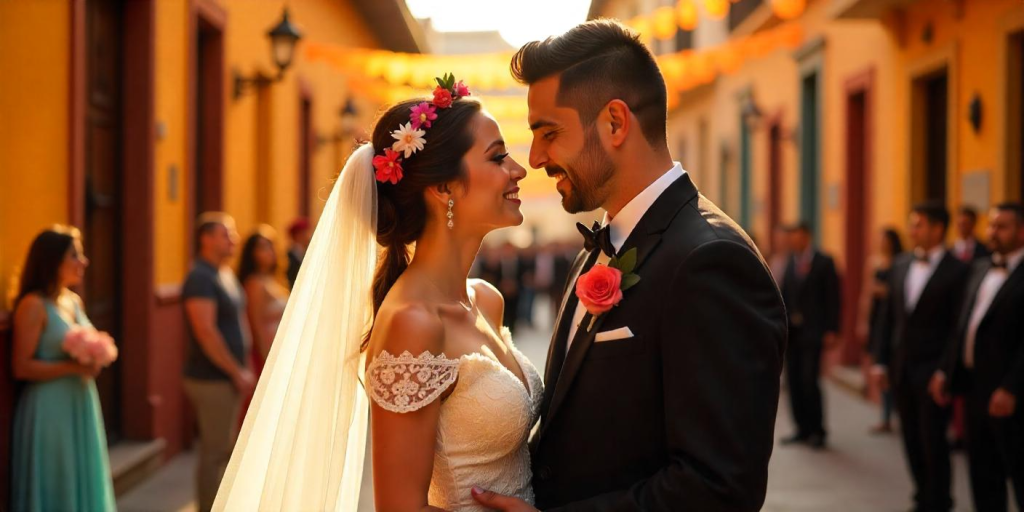
- The bride traditionally wears a white gown, but many Latin American brides add colorful accessories like flowers in their hair or a lace mantilla veil.
- The groom wears a suit or tuxedo, sometimes incorporating bright colors or embroidered details to reflect the festive nature of the celebration.
Why Translation Services Matter in Weddings
With globalization, many weddings today involve guests, traditions, and elements from multiple cultures. Whether it’s a bilingual ceremony, a destination wedding, or a multicultural celebration, professional translation services ensure that language is never a barrier to love.
How We Can Help:
- Translation of wedding vows, invitations, and legal documents
- Interpretation services for multilingual guests
- Localization of wedding materials for international couples
Planning a wedding with cultural and language diversity? Contact us today.
If you’re fascinated by the diversity of wedding customs across the globe, be sure to check out our other blog post, “25 Cultural Traditions Around the World”, where we explore even more intriguing rituals and practices that shape how people celebrate life’s most important moments.